October 23, 2026
Choosing a countertop is one of the biggest decisions in any kitchen or bathroom project. It affects how your space looks, how it functions, and how much care it will need for years to come. Unfortunately, it's also a topic surrounded by myths. You may have heard that granite stains easily, that quartz can handle any hot pan, or that marble is too delicate for a real kitchen. Some of these claims contain a grain of truth, while others are completely outdated or misunderstood. Separating fact from fiction can help you choose a surface that fits your lifestyle and keep it looking beautiful long after installation.
Understanding Why Countertop Myths Spread
Many countertop myths come from older products, secondhand stories, or one bad experience that gets repeated as a rule. Materials and sealing technologies have improved significantly over the years, but outdated advice still circulates online and among friends. Other myths come from confusing similar materials, such as quartz and quartzite, or from mixing up different kinds of damage, like stains and etching. Because every surface has its own strengths and weaknesses, a claim that's true for one stone may be false for another. Learning how each material actually performs helps you make decisions based on facts instead of guesswork, especially when investing in custom countertops for your home.
Sorting Out Granite and Heat
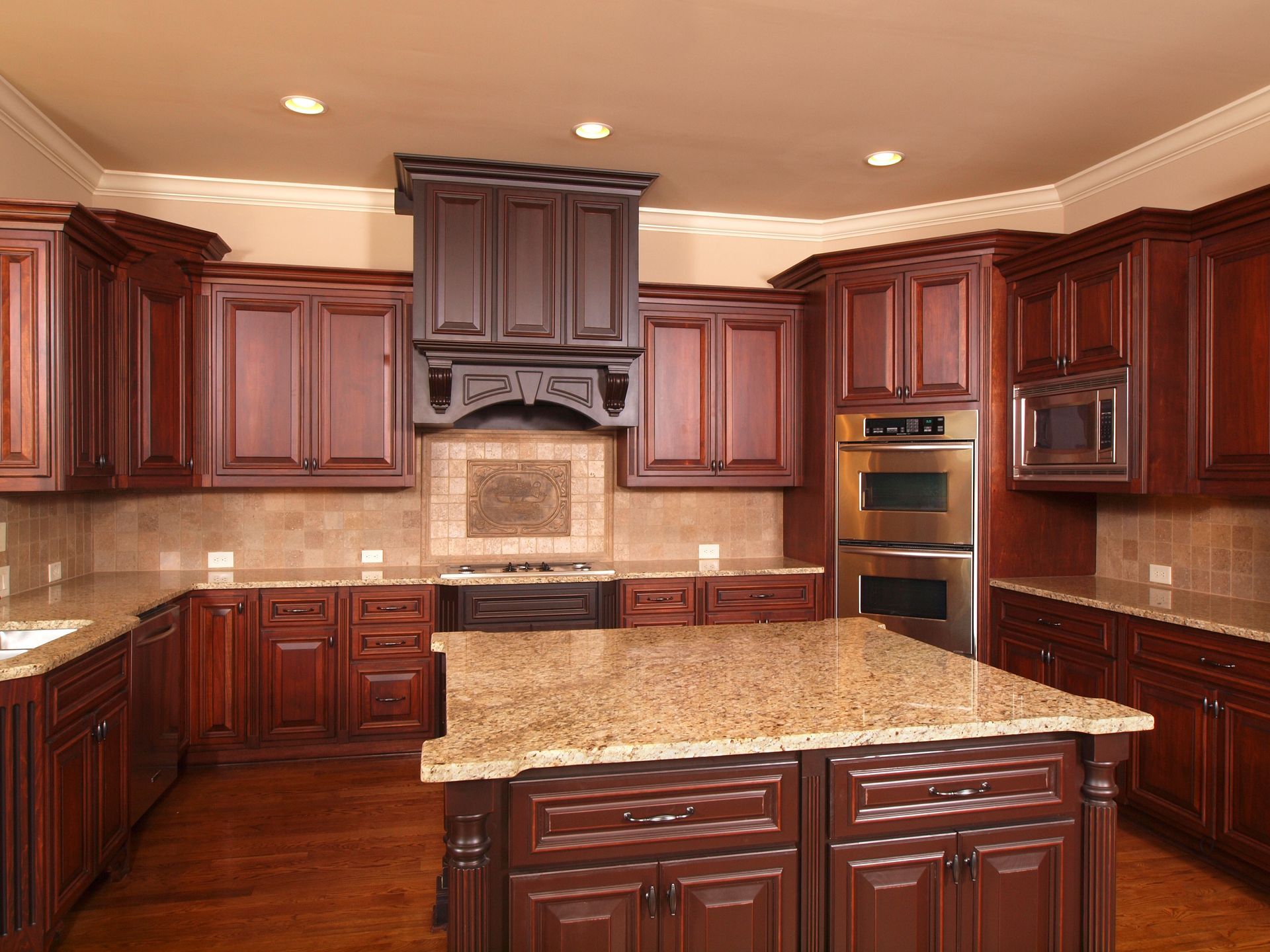
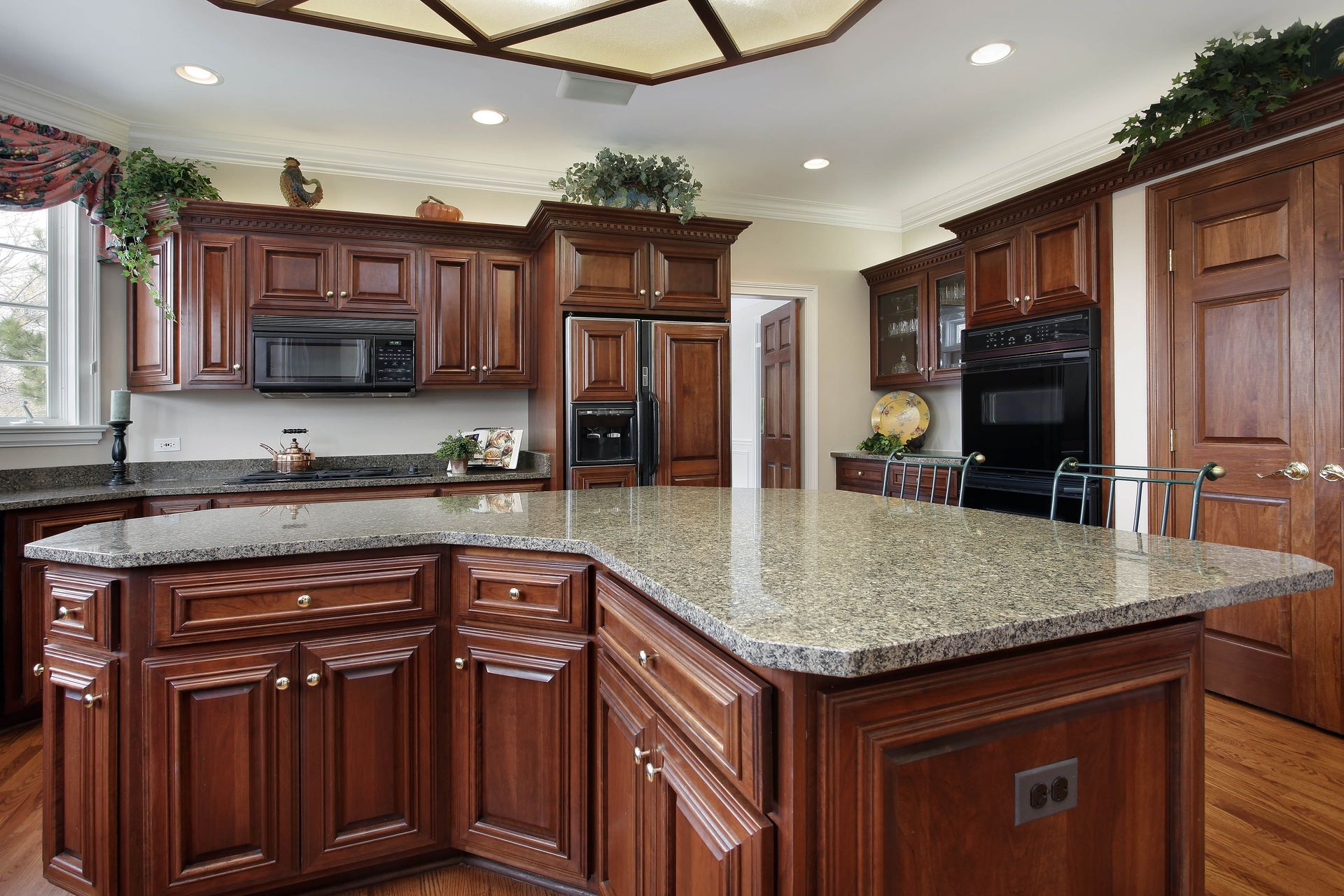
Granite remains one of the most popular countertop materials available. According to WifiTalents, 24% of homeowners choose granite countertops. Its popularity is largely due to its natural beauty and durability, including its impressive heat resistance. Granite forms under intense heat and pressure deep within the earth, so it can generally handle hot cookware without scorching. However, the myth that granite is completely heatproof isn't entirely accurate. Sudden, extreme temperature changes can cause thermal shock, which may lead to cracking in rare cases, especially near seams, edges, or existing weak points. Some granite slabs are also treated with resins that may discolor under very high heat. Using trivets and hot pads is still a smart habit that protects your investment.
Examining Whether Granite Stains Easily
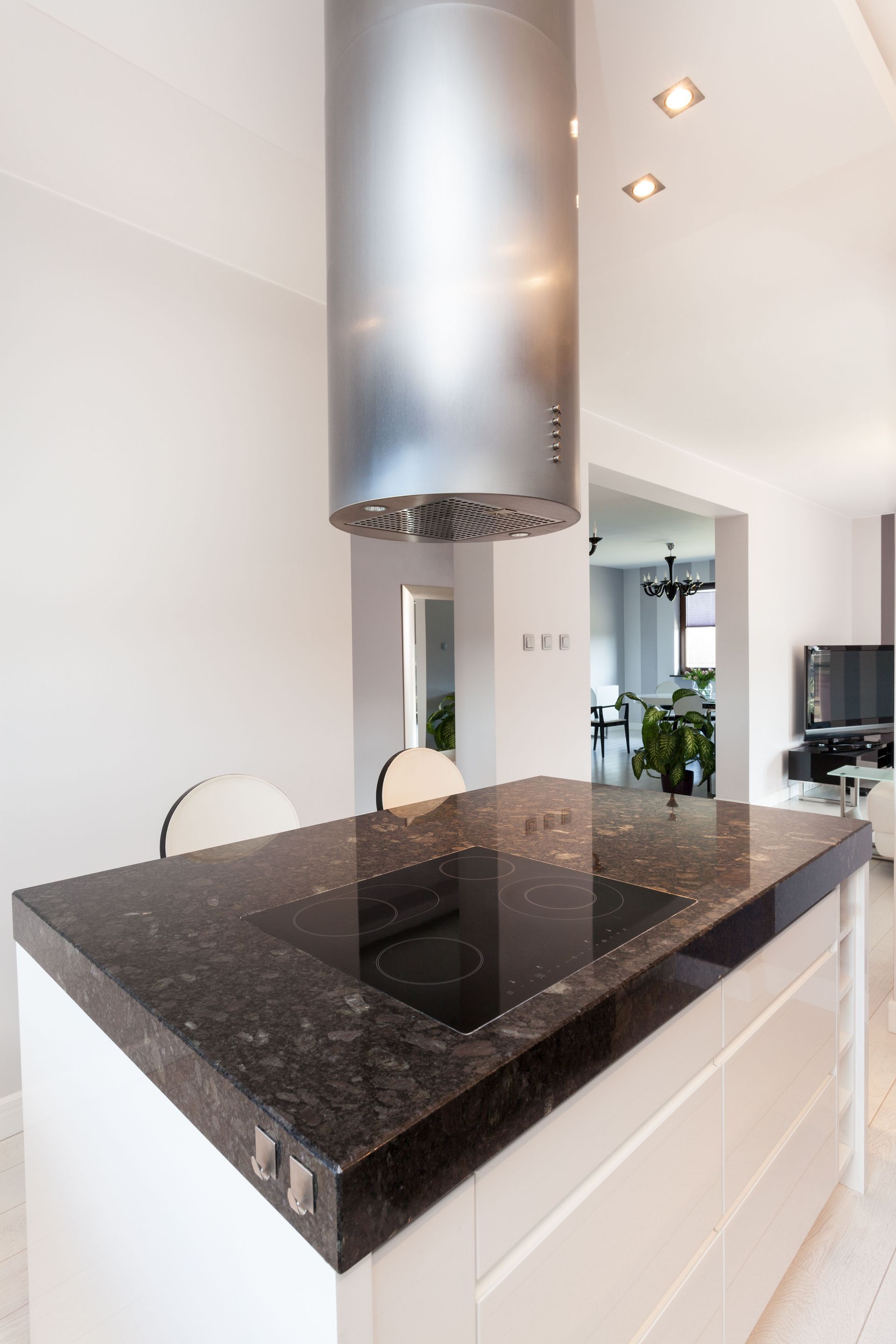
One of the most common myths is that granite stains constantly and requires endless maintenance. In reality, granite is a natural stone with varying levels of porosity, and some slabs absorb liquids more readily than others. Lighter-colored granites tend to be more porous, while many darker varieties resist absorption naturally. A quality sealer fills the tiny pores in the stone and helps prevent oils, wine, coffee, and other liquids from soaking in. Most granite only needs resealing every one to three years, depending on the stone and how heavily it's used. Wiping up spills promptly keeps stains from becoming an issue. With basic care, granite stays beautiful and stain-resistant for decades.
Clarifying the Truth About Quartz and Heat
Quartz countertops are engineered surfaces made from crushed natural quartz combined with resins and pigments. They're known for their consistent appearance and low maintenance, but there's a widespread myth that quartz is just as heat-resistant as natural stone. That isn't the case. The resins that bind quartz together can scorch, discolor, or crack when exposed to high heat, such as a pan straight from the oven or a hot skillet left on the surface. Once that damage occurs, it can be difficult or impossible to repair. Always use trivets or hot pads with quartz. Understanding this limitation helps homeowners choose the right material for how they cook and use their kitchen.
Separating Fact From Fiction on Quartz Stains
While quartz is more sensitive to heat, it shines when it comes to stain resistance. Because it's non-porous, quartz doesn't need sealing, and liquids like red wine, coffee, juice, and oil generally won't soak into the surface. That makes it a popular choice for busy families and frequent entertainers. Still, quartz isn't completely immune to staining. Harsh chemicals, permanent markers, and certain dyes left on the surface for long periods can cause discoloration. Cleaning spills promptly with mild soap and water keeps quartz looking its best. For homeowners who want a low-maintenance option with a uniform look, quartz custom countertops can be an excellent fit.
Revealing What Wine Really Does to Marble
Marble has a reputation for being too delicate for kitchens, and red wine is often blamed as its biggest enemy. The truth is a little more complicated. Marble is a softer, calcium-based stone, which makes it sensitive to acidic substances like wine, citrus juice, vinegar, and tomato sauce. These acids can cause etching, which leaves dull, light-colored marks on the surface. Etching is different from staining. A sealer can help reduce staining from colored liquids, but it can't fully prevent etching, since the acid reacts with the stone itself. Many homeowners embrace the gentle patina marble develops over time, while others prefer it in lower-traffic areas like bathrooms. Knowing what to expect helps you decide whether marble suits your space.
Testing Claims About Quartzite Durability
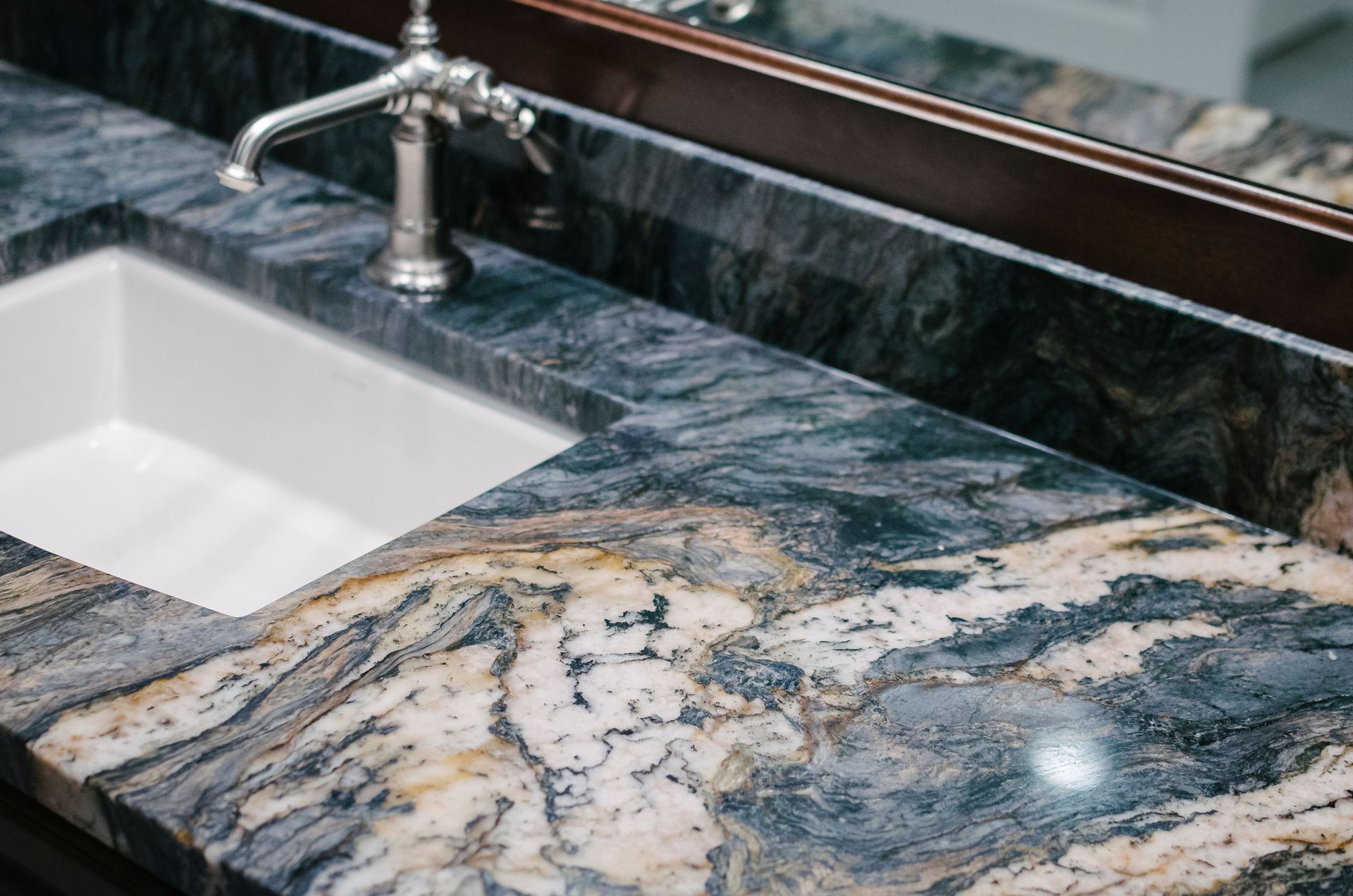
Quartzite is often confused with quartz, but the two are very different. Quartzite is a natural stone formed when sandstone is transformed by heat and pressure, resulting in a material that's extremely hard and dense. Many quartzites offer the elegant look of marble with much greater resistance to scratches, heat, and etching. However, not every stone sold as quartzite is truly quartzite. Some softer stones are mislabeled, which can lead to unexpected etching or wear. When we create custom countertops from quartzite, our team helps you understand the stone's true properties so you know exactly what you're getting. Like granite, quartzite should be sealed periodically to protect against stains, but it's one of the most durable natural options available.
Considering Scratch Resistance Across Surfaces
Another common myth is that stone countertops can't be scratched at all. Granite, quartz, and true quartzite are highly scratch-resistant and hold up well to everyday use, but they aren't indestructible. Dragging heavy cast iron, ceramic, or appliances across the surface can leave marks over time. Marble, being softer, scratches more easily. It's also worth noting that cutting directly on stone can quickly dull your knives, so a cutting board protects both your blades and your countertops. Choosing the right material for how you cook and entertain helps you avoid disappointment and keeps your custom countertops looking great.
Protecting Any Surface With Simple Habits
No matter which material you choose, a few easy habits can keep your countertops in excellent condition. Use trivets for hot pans, cutting boards for food prep, and coasters under glasses. Wipe up spills quickly, especially acidic or brightly colored liquids. Clean surfaces with mild dish soap or a cleaner designed for stone, and avoid harsh chemicals, abrasive pads, and acidic cleaners. Reseal natural stone as recommended for your specific slab. These simple steps help any surface perform at its best and reduce the risk of costly repairs. With proper care, custom countertops can remain a stunning focal point in your home for years.
At Premier Granite & Stone, we help homeowners cut through the confusion and choose surfaces that truly fit their lifestyles. Our team takes the time to explain the real strengths and care needs of each material, so you can make a confident decision for your kitchen, bathroom, or other living spaces. From selecting the perfect slab to precise fabrication and professional installation, we handle every detail with care. Our custom countertops are crafted to deliver lasting beauty and dependable performance in the spaces you use every day. Contact Premier Granite & Stone today to schedule a consultation and explore our selection of stunning surfaces.